Climate change is affecting one of Australia’s most iconic animals, the platypus.
 Image: Wikipedia
Researchers, Professor Jenny Davis, Dr Ross Thompson and PhD student Melissa Klamt from Monash University’s Australian Centre for Biodiversity have found the range of this must-loved Australian mammal is decreasing as the climate warms and dries.
Thermal image of platypus shows the excellent insulation that makes it vulnerable to warming climate.
Platypus
Researchers, Professor Jenny Davis, Dr Ross Thompson and PhD student Melissa Klamt from Monash University’s Australian Centre for Biodiversity have found the range of this must-loved Australian mammal is decreasing as the climate warms and dries.
Thermal image of platypus shows the excellent insulation that makes it vulnerable to warming climate.
Image: Professor Jenny Davis
The research, recently published in the prestigious international scientific journal 'Global Change Biology', used platypus population data dating back to the late 19th Century combined with climate data to show that where platypus can be found is becoming increasingly limited due to warmer summer temperatures rather than the availability of habitat.
"Platypus have only a limited capacity to moderate their body temperature," Professor Davis says.
"When summer temperatures become too warm they are very vulnerable."
The research was funded by a National Climate Change Adaptation Research Fund summer studentship awarded to Ms Klamt.
"Platypus are amazing animals that we think of as being quite adaptable" Ms Klamt says
"But we found evidence that recent warming of the climate is really affecting their distribution."
The research also showed that the trend towards long-term drying and warming of the climate in south-eastern Australia will directly reduce suitable platypus habitat by more than 30 per cent over the next 60 years. It was also found that indirect effects, including increasing water extraction, may substantially increase this loss of suitable platypus habitat.
"This is just another piece of evidence that climate change is a real factor affecting our native biodiversity now,” said Dr Ross Thompson, Deputy Director of the Australian Centre for Biodiversity, where the research was conducted.
“It reinforces the need to act decisively on climate change issues."
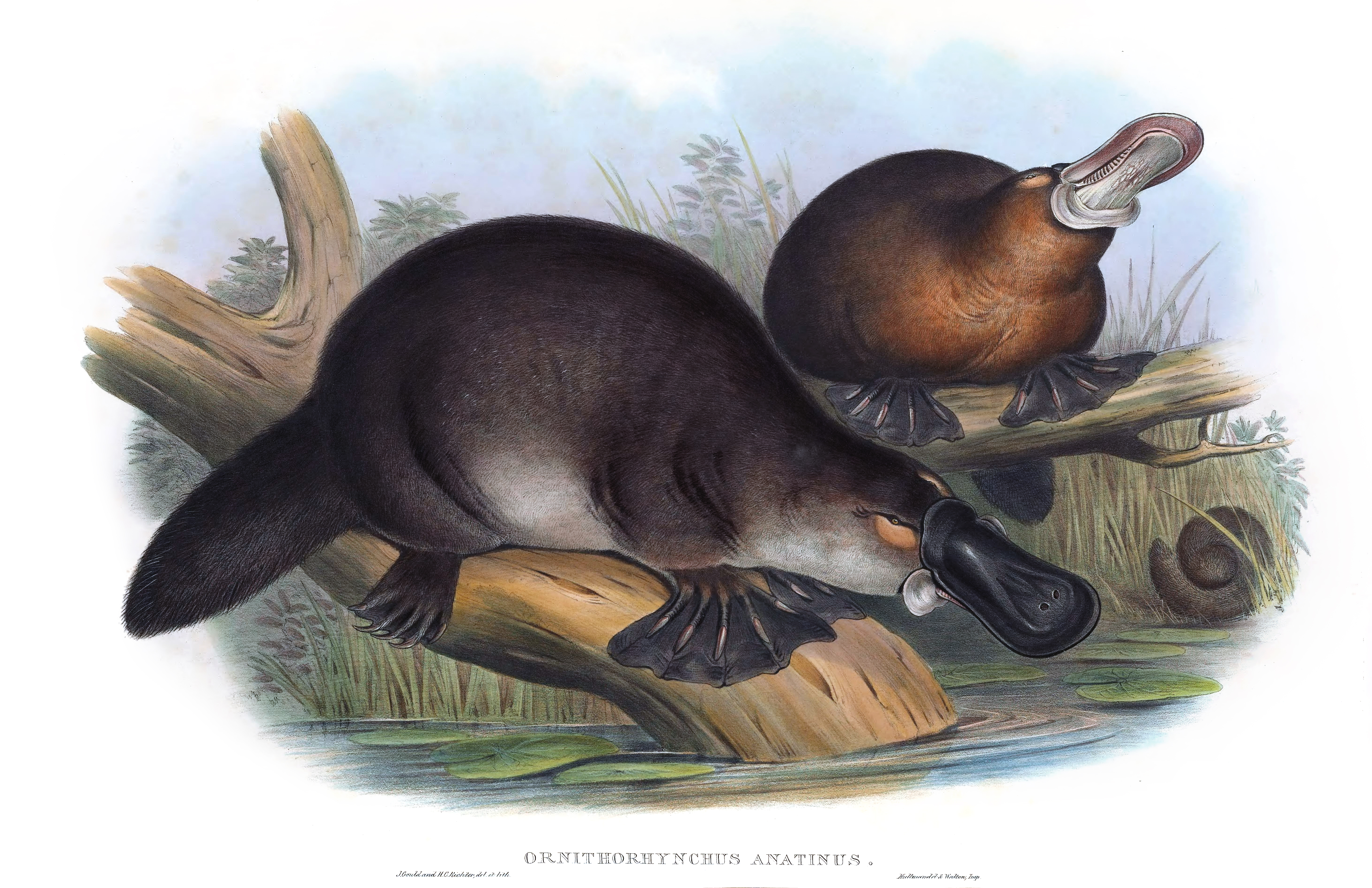 Image: Wikipedia
Contacts and sources:
Professor Jenny Davis
Monash University
The research, recently published in the prestigious international scientific journal 'Global Change Biology', used platypus population data dating back to the late 19th Century combined with climate data to show that where platypus can be found is becoming increasingly limited due to warmer summer temperatures rather than the availability of habitat.
"Platypus have only a limited capacity to moderate their body temperature," Professor Davis says.
"When summer temperatures become too warm they are very vulnerable."
The research was funded by a National Climate Change Adaptation Research Fund summer studentship awarded to Ms Klamt.
"Platypus are amazing animals that we think of as being quite adaptable" Ms Klamt says
"But we found evidence that recent warming of the climate is really affecting their distribution."
The research also showed that the trend towards long-term drying and warming of the climate in south-eastern Australia will directly reduce suitable platypus habitat by more than 30 per cent over the next 60 years. It was also found that indirect effects, including increasing water extraction, may substantially increase this loss of suitable platypus habitat.
"This is just another piece of evidence that climate change is a real factor affecting our native biodiversity now,” said Dr Ross Thompson, Deputy Director of the Australian Centre for Biodiversity, where the research was conducted.
“It reinforces the need to act decisively on climate change issues."
Color Print, 1863
Contacts and sources:
Professor Jenny Davis
Monash University

0 comments:
Post a Comment